


Jonathan Hogue - 1993 - Somewhere between Pittsburgh, PA and State College, PA. Two 19 year-olds, driving back to college in a 1984 Ford Mustang GT through the “Storm of the Century.” (This one might be too difficult for you!!!)

The Aurora Archives: Day 10
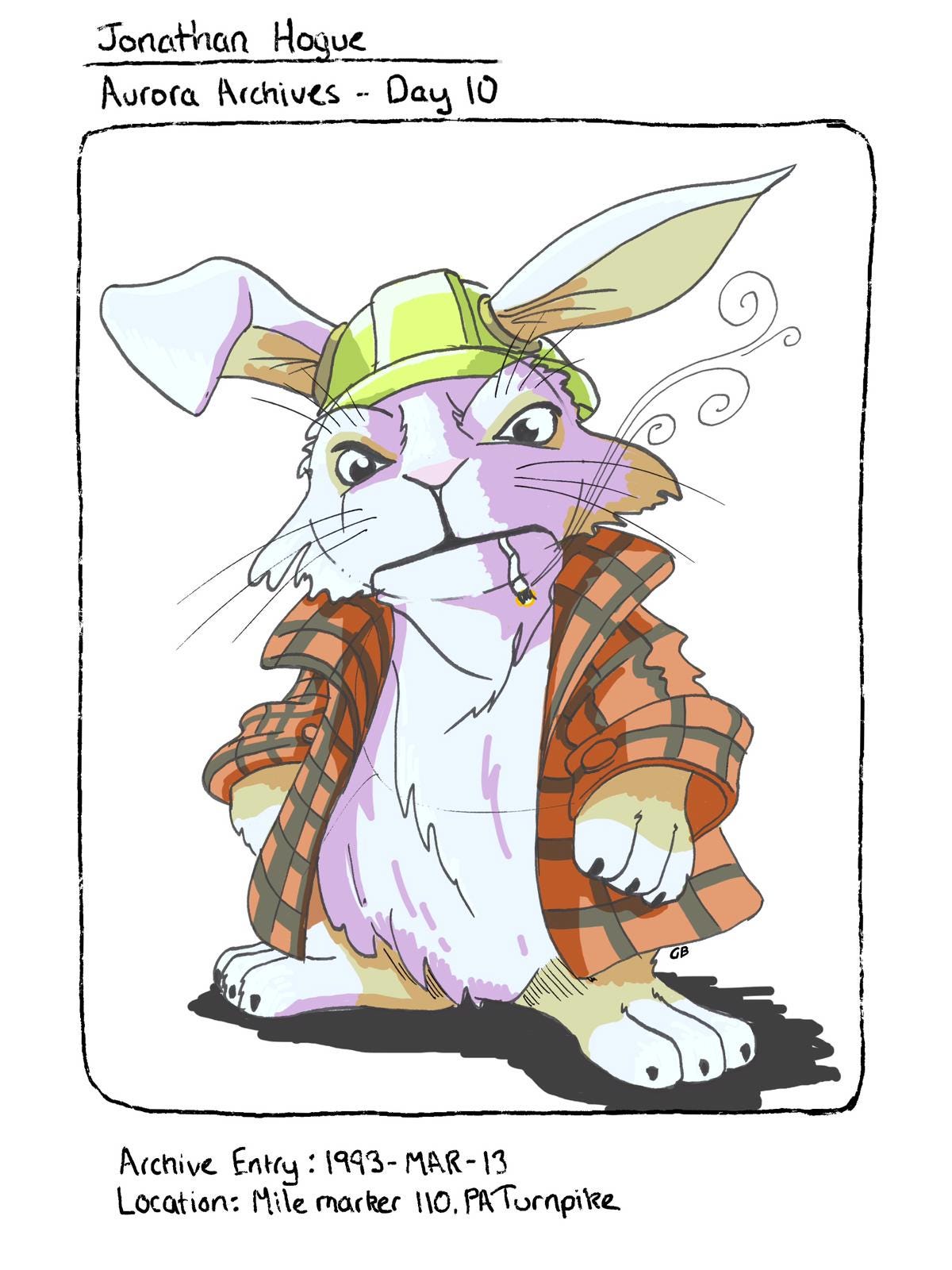
ARCHIVE ENTRY: 1993-MAR-13 LOCATION: Mile Marker 110, PA Turnpike (The Laurel Highlands) SIGNAL RESONANCE: High / Survival Mode OPERATIVE: Civil Defense Unit (Sub-type: Heavy Breaker)
TRANSCRIPT OF RECOVERED CORRESPONDENCE: (A Letter to the Editor, Pittsburgh Post-Gazette, dated December 24th, 2024)
To the Editor:
Every Christmas, people ask me why I spend my holidays delivering hot meals to the Burrow District in the Hill. They ask why a guy from the suburbs cares so much about the ‘hops’ (a slur I hate, by the way).
I tell them it’s because I owe a debt I can never repay. A debt that came due in March of 1993.
We were nineteen. Idiots. We were driving a 1984 Mustang GT, rear-wheel drive, too much torque, and zero weight in the back, from Pittsburgh to State College. We thought we could beat the storm of the century.
We couldn’t.
Somewhere in the Laurel Highlands, the world turned white. We hit a patch of black ice on an incline. The Mustang pirouetted. We went over the embankment, rolling twice, and landed upside down in a ravine. The snow was coming down so fast it buried the car in minutes.
The engine died. The heater died. And then the doors froze.
My buddy Mike was bleeding from the forehead, a bad gash. I was screaming for help, but the wind was howling louder than I ever could. We were trapped in a steel coffin, slowly freezing to death.
Then, I saw him.
He wasn’t a ‘Christmas Bunny’ from a storybook. He was a rough-looking buck, scarring on his ears, wearing a tattered red plaid Mackinaw style overcoat and a yellow hard hat. He looked like he’d just come off a double shift at the mine.
He seemed to notice us right away, as if he had been expecting to see an upturned car. He didn’t try to dig us out with his paws either. He knew the snow was packed too tight, and the locks were frozen solid. Instead, he stood on a snowdrift about ten feet back. He adjusted his hard hat, took a breath, and then... he blurred.
He didn’t run. He launched.
It was like watching a cannonball. Like a dense, fluffy, unstoppable projectile. He flew through the air, tucking his limbs in, and led with the hard hat.
CRASH.
He smashed right through the passenger window nearly knocking me senseless in the process. Glass exploded inward. He tumbled onto the dashboard, shaking the glass shards off his jacket like it was dandruff. He wasn’t floating or glowing or anything magic like. He was just breathing hard, his breath steaming in the freezing cab.
He looked at me, then kicked the glove box open, knocking out a tire iron. He nudged it toward me with his foot and mimed a smashing motion at the jagged glass remaining in the frame.
I understood. I grabbed the iron and cleared the rest of the window. We crawled out, coughing and shivering, tumbling into the deep snow.
He led us to a depression under a rock overhang. We were shaking so hard we couldn’t speak. He dug a paw into his plaid pocket and pulled out a beat-up silver Zippo.
He gathered some dry pine needles and old leaves that had accumulated out of reach of the snow under the overhang, shielded the wind with his body, and flicked the lighter. Clink. Whoosh. The fire caught. Warmth immediately engulfed us, and we both sighed.
He sat back, pulled a pack of smokes from his jacket, and lit one for himself. He took a long drag, exhaled a cloud of gray smoke into the white storm, and then offered the pack to us.
“Take the edge off, kid,” he grunted. His voice was gravel, barely audible over the wind.
After the smoke he packed the wound with clean snow to numb it and kept checking Mike’s eyes to make sure he stayed awake.
We sat there for six hours until the National Guard arrived, drawn by the rising smoke of our fire. The rabbit never told us his name. He just sat by the flames, smoking and watching the storm with a strange, calm intensity. He had a small pin on his red jacket, a circle with a wave through it.
When the Guard chopper lights appeared, he stood up. He tapped his hard hat once, a silent salute, and then hiked up the vertical face of the ravine, disappearing into the white.
I never saw him again. But every time I see a rabbit working a construction crew or sweeping a street in the freezing cold, I ‘see’ him.
So, that’s why I’m out here tonight. If you’re reading this, and you see a worker in a red jacket this winter, give them a nod. They might just be an angel in a hard hat.
Jonathan - Director, The Red Flannel Foundation
ARCHIVIST’S NOTE: The operative utilized kinetic breaching, a high-risk maneuver reserved for sapper units. The Red Plaid is a known variation of the Nicholas Protocol uniform used by the Appalachian Cell. Note the operative’s reliance on human tools (Zippo, Tire Iron); this suggests a high level of integration with the local labor force, typical of the rust belt burrow network.
To see the whole series. Click the link below. 👇

MOST excellent Graeme! Well done my friend!