


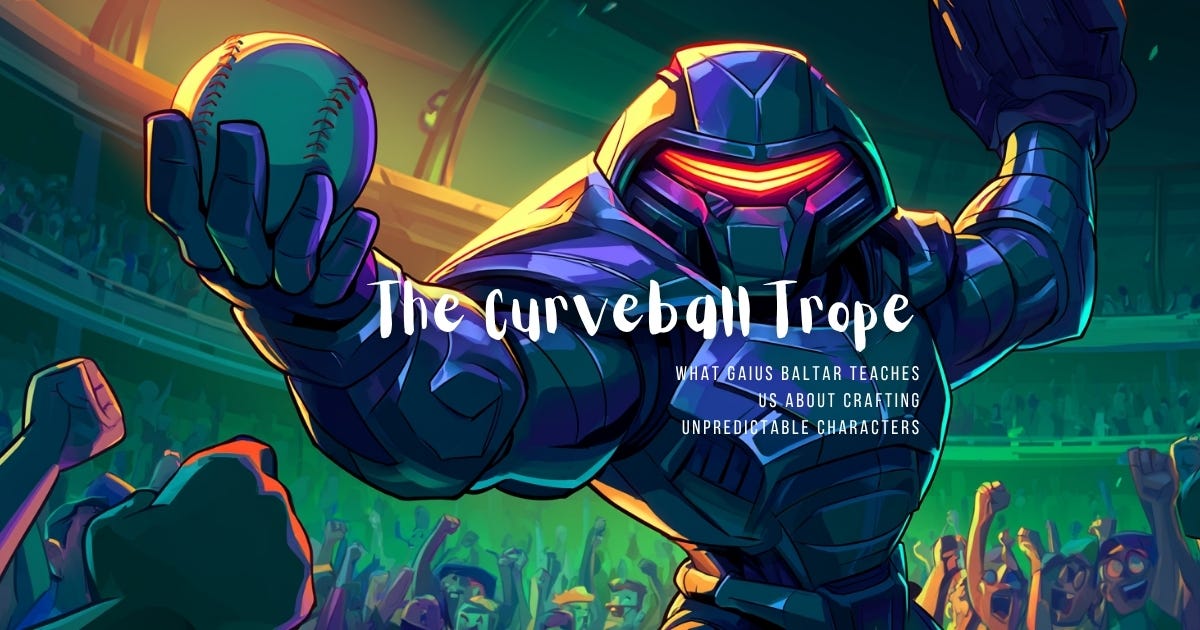
When I was about 18 years old, I had assumed somewhat naively that I had already found my favourite sci-fi series ever. Stargate SG1. I was going to grow old with it. I had all the DVDs, and if I ever had children, I would watch it with them when they were old enough. How foolish I was, for I could not believe then that a show such as Battlestar Galactica (BSG) would rob me blind from that assumption.
I acquired the DVD box set of BSG on the cheap, reduced from the HMV sale (a music and film retailer in the UK), where I worked. I was intrigued by the visuals of the case. It looked mysterious and dark. Later that night, I popped the first DVD into the disc drive of my university laptop, and my world was changed.
What had changed?
In most sci-fi, we have a lot of gung-ho characters. Heroes like Luke Skywalker, Jack O’Neill, and Captain Kirk, people who are fallible but very courageous and charming. Sure, BSG even has their equivalent in Captain Apollo, aka Lee Adama, the admiral’s son. A muscular, brave, emotional, and morally defined character who gives us exactly what we might expect. Guns, roaring engines, romance, and bravado.
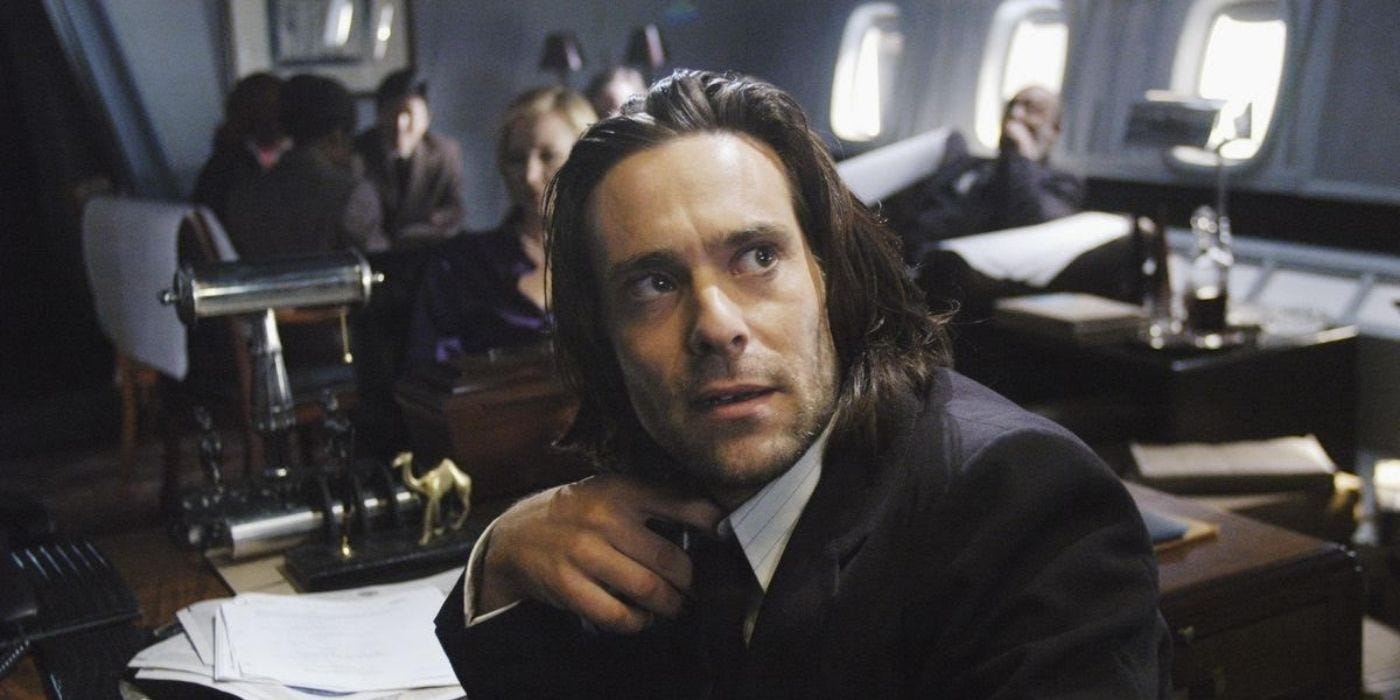
Suddenly, however, I found myself absolutely gripped by a character who was almost the exact opposite. A scientist, egotistical, philandering, self-preserving coward by the name of Dr Baltar. A man who had been instrumental in the literal apocalypse brought down upon humanity by their prodigal children, the AI robots, the Cylons. Hardly a likeable character, right? WRONG!
This character is the beating heart of the show. And I am going to explain why and what we can learn from the way he was written.
The Curveball: A Character Trope
The best way to understand Baltar, or indeed any character that follows this curveball trope, is to realise that they have a broken moral compass. Many characters, including heroes, are built on moral consistency, but curveballs are filled with dramatic contradictions. Their internal landscape is a melee of fighting beliefs, ethics, traits and contexts. Often, the battle between these juxtapositions is bloody and brutal, which is what makes them so dramatically interesting.
The Core Mechanics.
McKee’s law
McKee is right at the very pinnacle of the pantheon of screenwriting teachers, and he has been instrumental in the education of some of Hollywood’s most famous screenwriters and their success. One of my favourite examples of this is Pixar Animation Studios, which has relentlessly sent its story teams to McKee’s lectures and seminars to build stories that will stand the test of time. If you love Finding Nemo or Toy Story, then this man is part of the reason why.
His first law is all about building dimension in your characters through contradiction, weaving opposing forces right into the code of their identity. However, we must use the word ‘law’ lightly. McKee would be the first to say that he teaches principles, not rules. A rule says you MUST do it this way, whereas a principle is simply the awareness that this has worked repeatedly for a very long time, and that in learning it, you can adapt it and make it your own.
Paradox Versus Randomness with Dr Baltar
So what do we mean by giving your characters contradictions? The simplistic view of this might lead you to think that bolting on random opposing quirks onto a flat character will yield intrigue. It won’t. Contradictions must be fully justified in the character’s story and the fabric of who they are. The reader has to see the internal logic that bridges the opposing traits. In other words, don’t think that making an assassin have a penchant for baking pretty cupcakes will make them fun to read or watch.
Baltar manages to make the bridge between his natural oppositions very understandable and even empathy-inducing. The formula for this success goes as follows:
Core Character Paradox = Their Origin (how they were raised and the life they live) X Their present. (Their role in life, what they do).
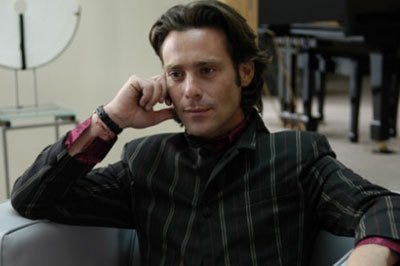
Dr Baltar’s origins are thus: he grew up as a dirty farming boy on the agrarian colony of Aerilon, with a simple, rustic family and very few prospects. He spent the years between his childhood and adulthood crafting a sleek, Caprican-accented elite defence scientist persona. Academically trained, highly respected, and a paragon of what it means to be ‘high-scoiety’. All of this was by design, to bury his working-class roots and to pile layer upon layer over the top of his underlying imposter syndrome, class shame, and the deep-rooted insecurity that he is not good enough.
His present is as a scientific advisor who has huge sway over the military and government branches of the surviving human population, where all of the burying he has done threatens to be unearthed through relentless (and sometimes hilarious) conflicts of interest that place him directly between two or more immense powers.
You can see through this example how his negative traits can wage war with his good ones, and how they make perfect sense in relation to his context. His cowardice is a direct result of his insecurity; his self-preservation is a reflex from years of building up a formidable ego. He is not doing anything random as such, because his unpredictable actions are always grounded in who he is.
Empathy
This character of Dr Baltar makes some incredibly poor, and often self-centred decisions throughout the series, often with dire consequences. I mean, literally one of the first things he does is allow a Cylon into the defence mainframe of the 12 colonies because the beguiling Cylon in question had flattered his sensibilities. A charming, high-class, beautiful woman is just the right fit for his new identity, never mind if she seems a bit off and asks too many questions.
So how does a character like this become enjoyable, and even one we root for? How do we turn detestable actions into likeable characters?
For this, we turn to a classic piece of writing advice….
Save the cat
Save the Cat is another very famous guide for storytelling technique, and it gets its name from the principle of making your character ‘save the cat’. Or, in other words, taking a character who may not be morally pristine, such as Dr Baltar, and giving them either an action or a trait that is recognisably vulnerable and potentially wholesome.
Of course, there are not many cats in space for Baltar to save and nurture back to health, but we do see many other instances of his compassion and empathy that serve to balance his more challenging aspects.
The most famous example is when he is tasked with interrogating a Cylon prisoner who has been brutally treated. Starved, allowed no basic humanity, and repeatedly sexually abused. Most of the crew in this instance see her as non-human. A machine that walks the walk and talks the talk, yes, but ultimately she has no ethical value as a robot. However, Dr Baltar challenges this idea, and we see him gently bring this poor Cylon character back from the brink and give her a new life.
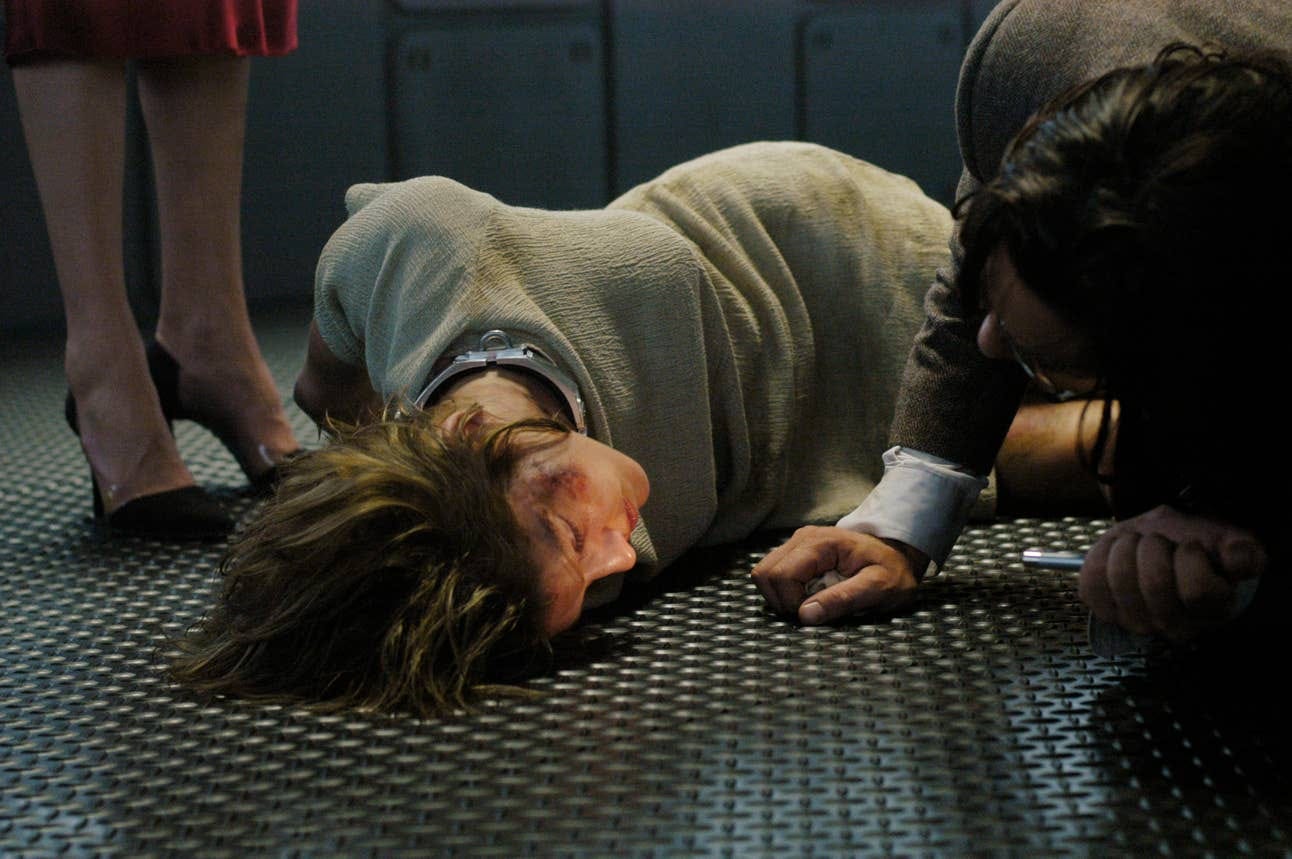
This is not the only instance of this heartfelt compassion. He saves lives in action, prays for people, and sometimes even sacrifices his own safety for others. His tendency toward self-preservation cracks, revealing a desperate, almost childlike longing for love and validation through connection.
Vulnerability
Vulnerability doesn’t always have to be shown through actions either. Neuroses is also a particularly effective way to show a character’s cracks and let their vulnerability shine through. Contrast the hyper-masculine heroism of Admiral Adama and Starbuck’s bravado with Baltar’s scared, confused and oftentimes slightly crazy persona. Baltar is often shamed by the storytelling for his lust, his weakness, his cowardice and even his emotional vulnerability. Yet it is this revealing of his imperfections and how he handles them with a tragic lack of grace (such as the scene when he is caught masturbating in his office whilst making love to the woman who lives in his head) that makes him feel achingly human.
As an audience, you are often thrown between feeling empathy, disgust, admiration, disdain and many other emotions when you follow Baltar’s story, and the vulnerability shines through in every moment because of it.
Want Versus Need
This is one of my personal favourite pieces of writing advice, and is best explained, in my opinion, through the book ‘Into the Woods’ by John Yorke. It is simply the idea that a plot is driven by the wants and needs of different characters, with a caveat. Characters will act mostly on their wants for most of the story, and the results of these acts will force the world around them to show what they need.
Dr Baltar, being the curveball that he is, is mostly driven by his desire for self-preservation and the maintenance of his ego. He does not have any idealistic virtues of truth, loyalty, or other such heroic traits, which is often why his actions, driven by his wants, lead to such whiplash moments throughout the story. Shuffling as he does between military ally, Cylon collaborator, Vice President to the colonies (and later president), and eventually religious cult leader. He releases prisoners, lies about people’s identities, and is constantly messing with people’s well-laid plans, all in the name of staying alive.
That explains his wants, but through all these changes, we also begin to see what he needs. Love, faith, connection, a community. And eventually, as his character grows and he works through his many flaws and vulnerabilities, we see development. We see a person change from a somewhat silly, boyish character to a man who shoulders responsibility and who cares about those around him.
In the end, his shifting loyalties as he discovers who he is underneath his shell become the primary engine for the series’ biggest moments.
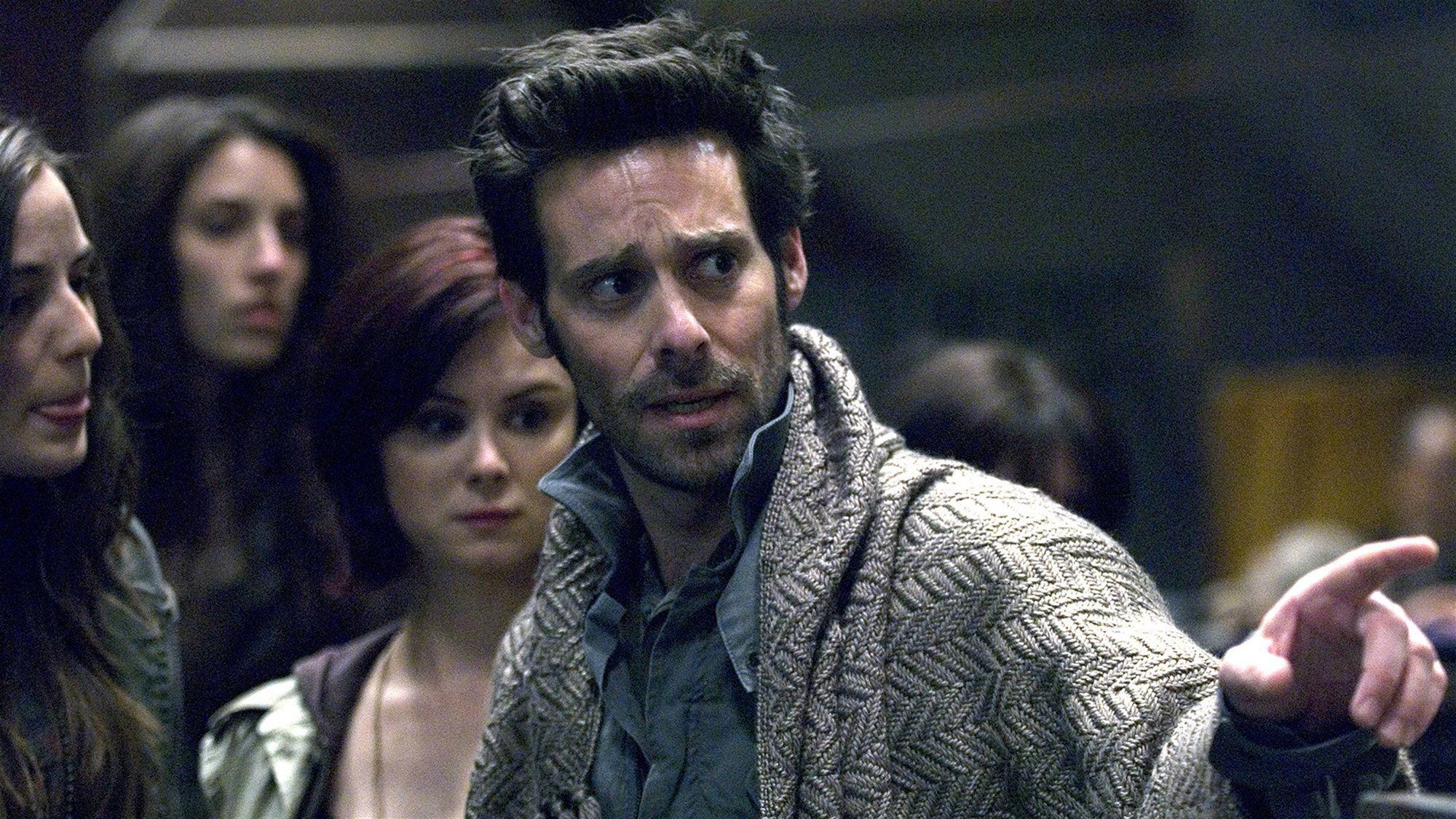
The B-Side Principle
When we are crafting surveball characters, we are always searching for that theory called the ‘behavioural paradox’, that same juxtaposition of contradictory attributes we discussed earlier. But how do we best show these contradictions to the audience?
FLIP THE RECORD!
Imagine Baltar as a vinyl record.
Side A is where the radio hits live. It is his sleek, public-facing persona that he performs for the world. The celebrated, highly logical scientist-philosopher. He is smug, egocentric, and an atheist who looks down on spiritual beliefs with rational superiority.
But a good storyteller will always have a side B
Side B is the swirling undercurrents of his vulnerability.
So what do we do if we really want to reveal those B-Side traits? Well, turn the record over. Use the plot to force the record player of his life to flip him around and play the music from his other side. With Baltar, he is dragged into playing that side of himself when his guilt causes him to hallucinate the woman in red into existence. A mental projection of his ex-Cylon lover who appears to his consciousness as a deeply spiritual messenger of ‘the one true god’. She drags his deeply buried capacity for spiritual belief and dealing with trauma, screaming and kicking, into the light.
That plot manoeuvre forces the story to unearth everything that makes Baltar tick, and in so doing, reveals to us the depths of his contradictions and our capacity for empathy towards a character that probably doesn’t deserve it.
A word of warning, however.
This technique only works well if you follow this one basic premise. Do not give them a magical makeover. True growth is always about integration, not replacement. A coward should not magically become a fearless warrior by the climax; real humans do not change that cleanly. We are not trying to replace the A side of the record; instead, we want the A side and the B side to begin to work in harmony with each other.
Baltar is not magically transformed into a brave, stoic military commander. He is still the same twitchy, hyperventilating, self-interested egomaniac we met in the pilot. Yet, he has successfully integrated his B-side.
When the final crisis hits, he holds his fear in one hand and a rifle in the other, choosing to stand on the front lines to defend the future of humanity. He doesn’t survive by shedding his flaws; he survives by embracing them, ultimately settling down on New Earth to farm the soil he spent his entire life running from. He remains wonderfully himself, but his inner compass has finally integrated his warring multitudes into a unified whole.
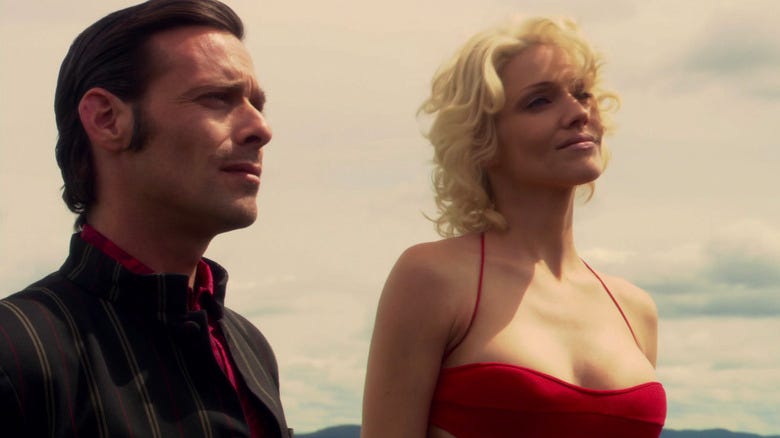
The Workshop
Just like before in my last educational piece where we combined the art of cooking and writing, I would like to suggest an exercise.

So this is where we hand the reins over to you, my fellow friends and writers. Do you have a character that you feel could fulfil this role of the curveball? Yielding unpredictability like a sword that drives the battalions of your plot forward?
Run them through these three steps, and you will have already done much of the heavy lifting when it comes to defining how they will fulfil this trope.
Locate their north star: What are their obvious active goals in the story, and why do they want them?
Demolish their compass: What is hidden on the B-side of their soul. Introduce a justified contradiction between their origin and their present.
Flip the record: Place them in a situation where they must consistently make choices between their opposing sides.
If you can achieve these three basic things, you are well on your way to building a Baltar.
What does Baltar really teach?
Baltar is a complex character, yes. But I think what makes him really special is the mirror he holds up to our souls as well.
We may not be much like him, but we can certainly relate to these warring feelings, conflicted emotions, uncertainty and fears. Making a list of steps for how to build a character like this is an exercise in simplification. Sure, it helps us to understand some of the mechanics, but the real wonder will shine through in our characters when we are able to look into the mirror and embrace our own messy multitudes and scratch them onto our sheets of parchment with as much truth as we can muster.
This new understanding is just the starting point.
Now, dear friends, go write a baller curveball character and make sure to tag me when you do. I would love to read it. And if you have done already, let me know in the comments below and tell me all about it.
All the best 😎🛸👽
I love Baltar. On the surface, he often times feels like the comedic relief, but, as you so perfectly summarised, he is also the main reason the plot keeps progressing. You somehow cannot not hate him, while you also cannot not love him. Great analysis!
Also, I'm so glad to find someone here who's a BSG fan! I don't know any but me and my dad haha. But it's my favourite Sci-Fi show too, it's an absolute masterclass in character study and development. I could talk about this show and what I've learned from it the whole day 😌
I both despised and loved Baltar in BSG!